

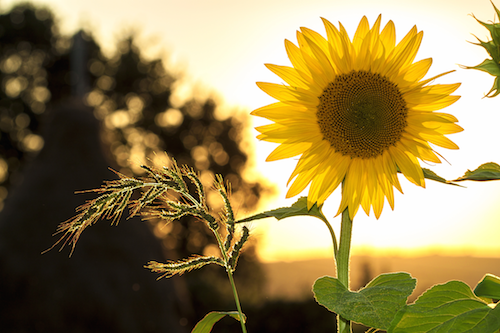
Pollens are the main source of allergens for hayfever as well as for many other allergic conditions. The three sources of pollens — trees, grasses, and weeds — produce their allergens at different times during the year. This is why some people may experience allergic symptoms at one time of year while others are sick during a different season. For example, one person may be very allergic to several types of weeds but only mildly allergic to grasses, while another person reacts severely to grasses but not to weeds. These two people would experience their most severe allergic symptoms at different times during the year, depending on what part of the country they live in.
The major pollens for the Midwest region are listed below, with peak seasons noted for each category.
Midwest Pollen Season Calendar
-
Trees — Peak: March/April
Elm, Oak, Maple, Poplar, Mt. Cedar, Willow, Walnut, Sycamore, Hackberry, Ash, Cottonwood, Red Cedar, West Juniper, Birch, Mulberry, Pine Pollen
-
Grasses — Peak: May/June
June, Orchard, Red Top, Timothy, Brome, Rye, Fescue, Bermuda, Sorghum, Corn Pollen, Wheat Pollen
-
Weeds — Peak: September
Sage, Lambs Quarters, Kochia, Russian Thistle, Cocklebur, Pigweed, Burweed, Ragweed, English Plantain, W.W. Hemp, Shadescale, Nettle, Sorrel
When the Pollen Count Rises: Precautions That Can Help
- Take medications according to your physician's directions.
- Try to plan activities indoors, especially when the pollen count is high.
- Keep windows and doors closed, especially in the bedroom, at all times. It is best to operate your air conditioning or heating system year round — it acts as a filter for pollens, helping to keep them outside the home.
- Avoid other triggers such as cigarette smoke and house dust, which add to your allergy load.
- Wash your hair before going to bed to remove pollen that may have settled on it during the day.
- Change your child's clothes after playing outdoors before he or she tracks pollens into the bedroom.
- Encourage family members to keep their shoes at the door.
- Keep in mind that pollen falls on everything, including your pets, which may carry pollen in their fur. Bathe your pet more frequently and keep snuggling to a minimum.
- Avoid hanging laundry outside to dry during pollen season.
- The most important time to avoid being outside is when the grass is being cut. If this is not possible, or if you must cut the grass yourself, be sure to wear a pollen mask.
- After cutting the grass or spending a day outdoors with heavy pollen exposure, take a shower and wash your hair. Clothes worn outside should not be kept in the bedroom. Your clothing and hair are the main items that retain pollens.
If you have any questions, contact our office: Omaha: 402-391-1800 Lincoln: 402-464-5969
Call to Schedule an Appointment!
Lincoln: 402.464.5969 Omaha: 402.391.1800